
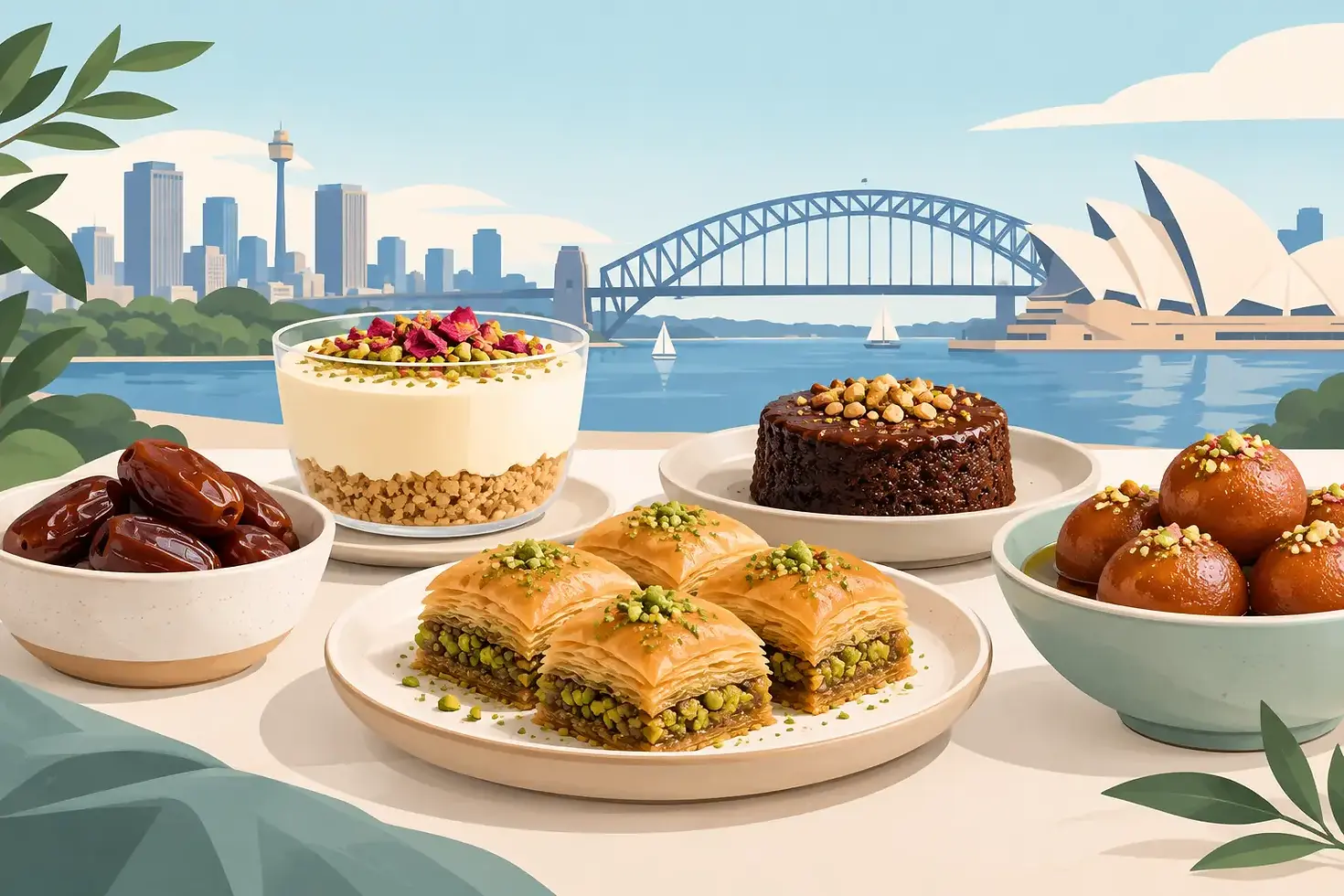
Best Halal Desserts Sydney Diners Will Savour
A memorable meal deserves more than a quick scoop on the way home. For diners seeking the best halal desserts Sydney can offer, the real pleasure lies in a sweet course that feels considered: fragrant cardamom, warm milk, toasted nuts, saffron, rosewater and pastry made for sharing around the table.
Sydney's halal dessert scene is generous and wonderfully varied. It moves from classic South Asian mithai to Middle Eastern pastries, Italian-style gelato and modern cake counters. Yet finding a dessert that suits your taste, occasion and halal requirements calls for a little more than following the longest queue.
What makes a halal dessert worth seeking out?
A dessert can look simple while carrying a great deal of cultural craft. In Pakistani, Indian and Mughlai traditions, sweetness is often balanced rather than overpowering. Milk is slowly reduced for depth, spices are used with restraint, and nuts bring texture and richness. The finest results are celebratory, but never careless.
Halal suitability matters just as much as flavour. A dessert may be free from meat and still need checking, particularly where gelatine, alcohol-based flavourings, liqueur-filled chocolates or non-halal emulsifiers are involved. A venue that can clearly explain its ingredients and preparation gives diners confidence, especially for family gatherings, religious celebrations and group meals with varied dietary needs.
It also depends on what kind of sweet finish you enjoy. Some diners want a delicate piece of mithai with tea; others want a warm, syrup-soaked dessert after a grand dinner. Neither is more authentic than the other. The best choice is one that matches the moment.
Best halal desserts Sydney diners should know
Gulab jamun for a warm, classic finish
Gulab jamun remains one of the great comforts of the subcontinent. These soft milk-based dumplings are fried until golden, then steeped in a lightly perfumed sugar syrup. When made well, they are tender through the centre, gently sweet and aromatic with cardamom or rosewater rather than sticky or heavy.
This is an excellent choice after a spice-led meal, particularly when shared. The warmth of the syrup and the richness of milk solids create a fitting contrast to savoury Mughlai dishes, biryani and grilled favourites. A smaller portion is often enough, which leaves room for a second spoonful from someone else's plate.
Kheer and firni for gentle richness
For a dessert with a calmer, more refined character, seek out kheer or firni. Kheer is generally a slow-cooked rice pudding, while firni is commonly made with ground rice for a smoother, silkier texture. Both can be finished with pistachios, almonds, saffron or rosewater.
Their appeal is in patience. Properly cooked milk develops a deep, almost caramel-like richness without needing excessive sugar. Chilled kheer or firni can be particularly welcome on a warm Sydney evening, and it suits diners who prefer creamy desserts over fried pastries.
Kulfi for dense, traditional indulgence
Kulfi is often compared with ice cream, though its character is quite different. It is typically denser, slower to melt and more intensely milky, with flavours such as mango, pistachio, malai, cardamom or saffron. It offers a cool finish while still carrying the richness expected of a festive dessert.
Quality matters here. A good kulfi should taste of its featured ingredient, not merely sweetness and freezer chill. Pistachio should be nutty, mango should be fragrant, and malai should have the rounded flavour of reduced milk. Ask whether the chosen flavour and any toppings meet your halal preferences if this is not clearly stated.
Jalebi when you want theatre and crunch
Jalebi is made for diners who enjoy contrast. The bright coils are crisp at first bite, then juicy with syrup, creating a dessert that is lively rather than subtle. It is especially enjoyable fresh and warm, perhaps alongside chai, when its crunch has not had time to soften.
Because jalebi is boldly sweet, it works best as a shared treat or as part of a broader spread. It brings colour and occasion to the table, which makes it a natural choice for birthdays, Eid gatherings and family celebrations.
Mithai for gifting, sharing and celebration
Mithai is not one single dessert but a royal family of sweets. Barfi, laddoo, peda, halwa and nut-based confections each offer their own texture and flavour. Some are soft and milky, some grainy and buttery, and others rich with cashew, almond or pistachio.
A good mithai selection is ideal when one dessert cannot please everyone. It lets guests sample different favourites and gives hosts a beautiful centrepiece for the table. When buying boxed sweets, ask about ingredients, freshness and halal certification or sourcing. This is particularly useful for gifts, where the recipient should be able to enjoy every piece with confidence.
How to choose a halal dessert venue with confidence
The best dessert is only as enjoyable as the reassurance behind it. Start with a straightforward question: is the dessert halal, and can the team confirm the ingredients? Clear answers are a sign of considered hospitality, not an inconvenience.
Pay attention to preparation as well. If a venue serves both halal and non-halal products, cross-contact may matter to your household or guests. Some diners are comfortable with certain arrangements, while others require a fully halal kitchen. There is no one rule for every guest, so it is wise to establish what is important before ordering.
Freshness is another useful guide. Syrup desserts should not taste stale or oily, milk desserts should be properly chilled, and pastries should retain their intended texture. A shorter dessert selection made carefully is often more rewarding than a vast display that has been sitting all day.
For special occasions, think beyond the dessert itself. Is there enough space for the family? Can the venue accommodate a long lunch, a waterfront dinner or a private gathering? Is the service attentive enough to pace a multi-course meal? Dessert tastes better when the whole occasion feels unhurried.
Pairing sweets with a Mughal feast
In Mughlai dining, dessert is not an afterthought. It is the graceful final note after dishes layered with spice, smoke and slow-cooked richness. If your meal includes fragrant biryani, creamy curries or chargrilled kebabs, a chilled kulfi or delicate firni can bring welcome balance. After lighter grilled dishes, gulab jamun or jalebi offers a more generous finale.
At Lal Qila, diners can extend a royal halal dining occasion by asking the team about the dessert choices available on the day and selecting a sweet finish that suits the table. This is especially worthwhile for family dinners, corporate gatherings and celebrations, where different generations may have different favourites.
Tea also deserves a place in the decision. Chai's tannins and aromatic spices cut through the richness of milk-based sweets, while a lighter tea can let saffron, rosewater and nuts take centre stage. For many diners, this pairing turns dessert into the part of the evening that lingers longest.
Make the sweet course part of the occasion
Sydney offers no shortage of sugar, but the finest halal desserts offer more than sweetness. They carry memory, hospitality and the pleasure of gathering well. Choose a venue that treats halal preparation with clarity, order a dessert with real character, and leave enough time at the table to share it properly.


Comments