
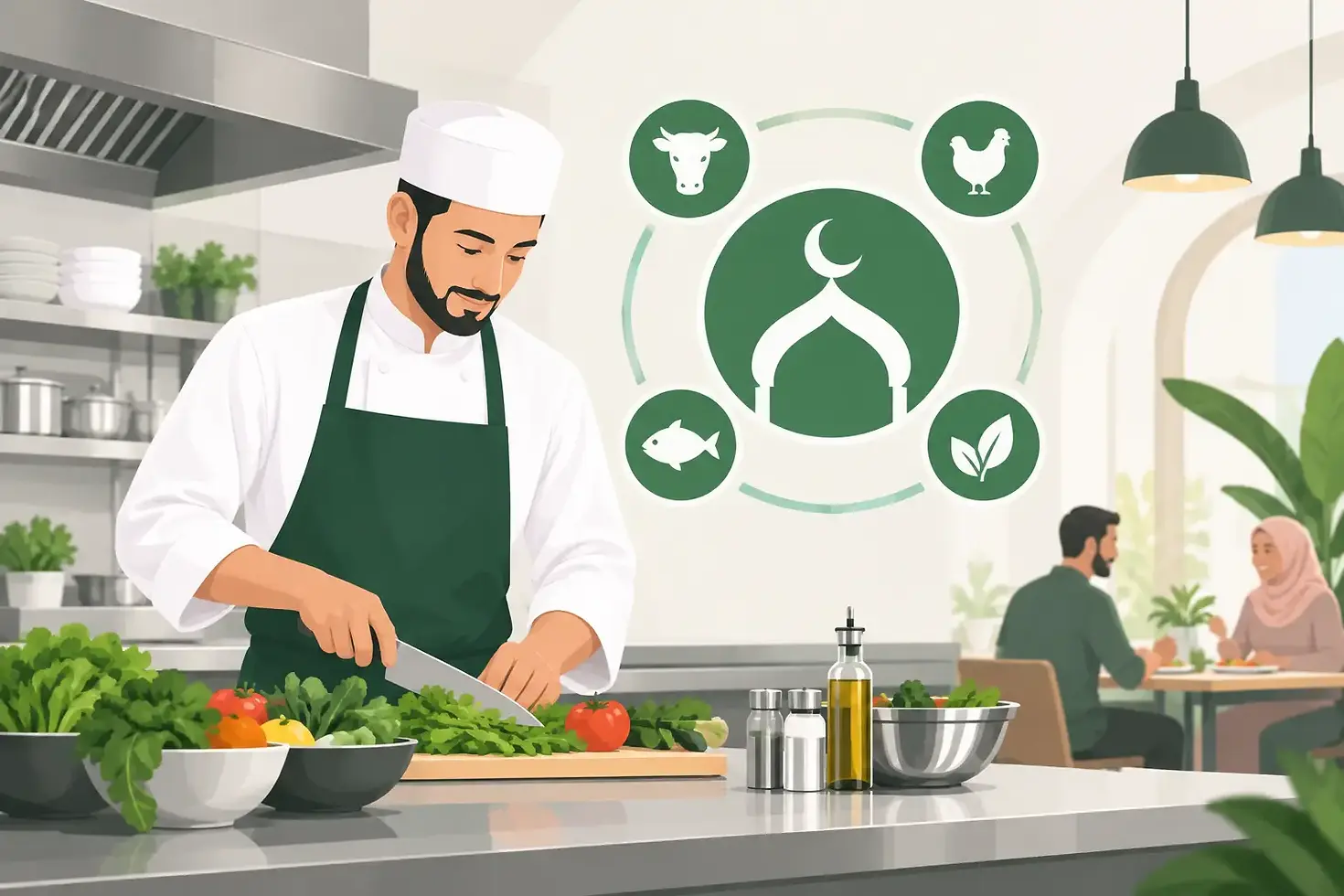
Halal Kitchen Standards for Confident Dining
A magnificent biryani, slow-cooked nihari or richly layered Mughlai curry begins long before it reaches the table. Halal kitchen standards shape the journey from supplier to serving dish, giving diners confidence that every ingredient and every kitchen practice respects halal requirements.
For many Sydney families, halal dining is not simply a menu preference. It is a matter of faith, trust and the comfort of sharing a meal without needing to question what sits behind the kitchen doors. For other guests, it is a valued assurance of careful sourcing, disciplined preparation and a restaurant that takes its commitments seriously.
What halal kitchen standards mean in practice
At their heart, halal kitchen standards ensure food is permissible for Muslim diners under Islamic dietary principles. This starts with ingredients: meat must come from an acceptable halal source and be prepared according to halal requirements. Pork and pork-derived products are not used, while alcohol and ingredients made with alcohol are also avoided in halal food preparation.
The standard is not met by using halal meat alone. A kitchen must consider the full preparation process, including marinades, stocks, sauces, cooking fats, flavourings and garnishes. A sauce may appear vegetarian, for example, yet still require checking if it contains alcohol-based flavour extracts or other unsuitable ingredients.
Halal practice also calls for care around cross-contact. If a kitchen handles non-halal products, shared utensils, fryers, chopping boards, storage containers and preparation benches can create uncertainty. A truly halal operation addresses this through clear controls rather than leaving the matter to chance.
For a restaurant with a 100% halal promise, these details are part of the daily rhythm of service. They sit alongside the same attention given to spice balance, freshness, presentation and the warm hospitality expected of a royal dining experience.
Sourcing is where halal assurance begins
A halal kitchen depends on reliable suppliers. Restaurants should know where their meat comes from, seek appropriate halal certification or supplier documentation, and maintain records that make purchasing decisions transparent. This creates a chain of accountability from delivery to dish.
Meat is often the first concern for diners, but halal sourcing reaches further. Chefs and kitchen teams must assess pantry staples such as gelatine, cheese, dessert ingredients, confectionery, sauces and pre-made spice blends. Even seemingly small additions can matter. A thoughtful kitchen does not assume an ingredient is suitable because its label looks familiar.
Fresh produce, rice, lentils, herbs and spices naturally play a central role in Pakistani, Indian and Mughlai cooking. Their quality still matters enormously. Fragrant basmati rice, hand-selected spices, fresh coriander and slow-simmered gravies bring character to the table, while halal sourcing ensures the broader kitchen remains aligned with the values it represents.
Storage and preparation protect the promise
Once ingredients arrive, organisation becomes essential. Clearly labelled stock, designated containers and orderly cool-room storage help staff identify products quickly and prevent confusion during a busy lunch buffet or evening sitting. The goal is practical: every cook should be able to work confidently, even when orders are moving at pace.
Preparation areas deserve the same discipline. Clean benches, sanitised equipment and well-managed utensils are fundamental food safety practices, but they also support halal integrity. When a venue is entirely halal, systems can be simpler because non-halal ingredients are not entering the kitchen. Where a business operates mixed menus, separation must be particularly stringent and visible in its procedures.
Cooking methods matter as well. Oil used for frying, ghee used for tempering spices and pans used for finishing a dish should all be managed with the menu’s halal requirements in mind. This is why a halal claim should reflect a whole-kitchen approach, not only a note beside selected dishes.
Training turns standards into everyday service
A written policy has little value unless the people preparing and serving food understand it. Kitchen staff need clear guidance on approved ingredients, receiving deliveries, labelling, storage, cleaning and what to do when an item is unclear. Front-of-house teams also need enough knowledge to answer guests respectfully and accurately.
The best response to a diner’s question is never a vague assurance. It is a calm, informed answer grounded in the restaurant’s actual processes. If a guest asks about a dessert, a marinade or a particular buffet selection, staff should know where to confirm the details rather than guessing.
Training is especially valuable in Sydney’s diverse dining scene, where guests may have different interpretations and dietary needs. Some diners may ask about halal certification, while others may also need information about allergens, vegetarian dishes or seafood. These are separate considerations. A dish can be halal and still contain dairy, nuts or gluten, so clear communication remains essential.
Halal does not replace food safety
Halal standards and food safety standards work side by side, but they are not the same thing. Temperature control, allergen management, handwashing, cleaning schedules and safe food handling remain non-negotiable in every professional kitchen. A halal ingredient still needs to be stored correctly, cooked safely and served at the right temperature.
This distinction is particularly relevant for buffet dining and catering. Food displayed for guests needs careful monitoring so hot dishes stay hot, cold items remain chilled and serving utensils are kept clean and dedicated to each dish. At private events, the same diligence must travel beyond the restaurant kitchen, from packing and transport to set-up and service.
A grand feast should feel generous, not uncertain. Sound systems behind the scenes allow guests to enjoy the colour of the curries, the aroma of charcoal-grilled meats and the ceremony of shared dining with ease.
Certification, transparency and personal preference
Halal certification can provide additional reassurance, particularly when it is issued by a recognised certification body and supported by regular review. However, diners’ expectations vary. Some look specifically for certification, while others are comfortable with a venue that openly explains its halal suppliers and kitchen practices.
Transparency is the common standard. Restaurants should describe their commitment accurately and avoid broad claims they cannot support. If an item has changed, a supplier has changed or a guest has a detailed concern, honesty is always the right response.
There can also be differences of opinion on particular products or ingredients within the Muslim community. Seafood is a familiar example, as interpretations can vary among schools of thought. A respectful restaurant does not dismiss these questions. It provides clear ingredient information so guests can make the choice that suits their own practice.
A dining experience built on confidence
When halal kitchen standards are handled with care, they support more than compliance. They create trust at the table. Families can gather for a weekend meal, colleagues can share a waterfront lunch and hosts can plan a celebration knowing the food has been prepared with respect.
At Lal Qila, this commitment sits naturally beside the richness of Pakistani, Indian and Mughlai cuisine: slow-cooked curries, fragrant biryanis, tender grilled favourites and desserts made for lingering over good conversation. The finest hospitality is generous in spirit and precise in practice.
When choosing a halal restaurant for your next meal or occasion, ask a simple question: can the team clearly explain how its food is sourced and prepared? A confident answer is often the first sign that a memorable feast is in good hands.


Comments