

12 Best Halal Banquet Menu Ideas for Sydney
Updated: 1 day ago
A memorable banquet is not built around one impressive dish. It is built around the moment guests share fragrant starters, pass warm naan across the table and return for one more spoonful of biryani. The best halal banquet menu ideas bring together generous flavours, clear dietary confidence and enough variety for every guest to feel warmly included.
For a wedding, milestone birthday, corporate dinner or family gathering in Sydney, a halal banquet can be every bit as grandiose as the occasion itself. Pakistani, Indian and Mughlai cooking is particularly suited to a shared feast: slow-cooked curries, charcoal-kissed kebabs, aromatic rice and celebratory sweets create a royal table without making the menu feel formal or fussy.
Start with the guest list, not the dish list
Before choosing curries, consider who will be seated at the table. A banquet for close family may suit fuller spice and familiar classics, while a corporate group or mixed gathering benefits from a balanced selection of mild, medium and richer dishes. Children, older guests, vegetarians and guests with allergies should all be considered from the outset.
Halal assurance also deserves more than a passing mention on an invitation. Guests should be able to enjoy the occasion knowing the food has been prepared in line with halal standards. When choosing a venue or caterer, ask direct questions about halal ingredients, kitchen practices and the treatment of dietary requirements. This is practical hospitality, and it lets everyone relax into the celebration.
A well-planned menu usually needs a lively opening, a substantial centre, fresh contrast and a sweet finish. Too many dishes in the same rich, creamy style can leave the table looking abundant but tasting repetitive. The finest banquets move between smoke, spice, tang, texture and fragrance.
Best halal banquet menu ideas for a royal feast
1. Dilpasand Lahori seekh kebabs
Seekh kebabs are a strong opening choice because they feel celebratory without being overly filling. Minced lamb or chicken, shaped around skewers and cooked with herbs and gentle spice, brings a satisfying charred flavour to the first course. Serve with mint chutney, lemon wedges and crisp salad for brightness.
For standing receptions, smaller kebab portions are easier to enjoy while guests mingle. For seated banquets, they can be plated with a refined garnish or served as part of a shared starter platter.
2. Chicken tikka with cooling accompaniments
Chicken tikka earns its place on a banquet menu for good reason. The yoghurt marinade adds tenderness and flavour, while the tandoor-style finish gives the chicken its inviting colour and smoky edge. It is familiar to many Sydney diners, yet still carries the depth of traditional spice blends.
Balance the warmth with cucumber raita and a sharp onion salad. This is especially useful when the rest of the menu includes richer Mughlai dishes.
3. Samosas for a generous shared beginning
Crisp samosas offer a vegetarian-friendly starter that does not feel like an afterthought. Potato, peas and fragrant spices wrapped in golden pastry bring a comforting contrast to grilled meats. They are also an excellent option for afternoon events, engagement celebrations and buffet-style gatherings.
The trade-off is that fried starters are best served promptly. If the event has a long arrival window, choose a service plan that keeps batches fresh rather than placing every samosa out at once.
4. A signature chicken Handi
Every banquet benefits from one approachable curry that guests can recognise and enjoy with confidence. Butter chicken or chicken korma can fill this role, depending on the style of the occasion. Butter chicken is tomato-forward and gently creamy, while korma leans more towards nuts, yoghurt and mellow aromatic spices.
For a mixed crowd, keep one chicken curry mild to medium. It gives guests a comforting option alongside more assertive dishes and ensures the menu is welcoming to those less accustomed to chilli.
5. Slow-cooked lamb or goat Karahi
A royal banquet calls for a dish with depth. Slow-cooked lamb curry, nihari or a goat curry brings that sense of occasion through tender meat and a sauce developed patiently with spices. These dishes are especially fitting for evening celebrations, Eid gatherings and winter functions.
Lamb generally offers a softer introduction for guests who are new to subcontinental cooking, while goat has a more distinctive, traditional character. Either can become the centrepiece of a menu when paired with fragrant rice and fresh bread.
6. Mughlai handi for richness and ceremony
A Mughlai handi adds the luxurious note that distinguishes a banquet from an everyday meal. Traditionally prepared in a handi-style pot, it may feature chicken, lamb or vegetables in a richly spiced, creamy gravy with a measured use of nuts and aromatics.
This is not the dish to pair with three other heavy curries. Let it be the indulgent element, then bring balance with a tomato-based curry, salad and rice. The result feels kingly rather than overwhelming.
7. Vegetable curry with genuine presence
A vegetarian dish should stand proudly at the banquet table, not simply occupy a dietary requirement. Palak paneer, vegetable jalfrezi or dal makhani can provide colour, richness and substance. Palak paneer is smooth and comforting, jalfrezi brings brighter vegetables and a livelier spice profile, while dal makhani has the slow-cooked depth that makes it feel suitably festive.
If vegan guests are attending, confirm ingredients carefully. Paneer, butter, cream and yoghurt are common in many traditional preparations, so a separate plant-based dish may be the most considerate choice.
8. Biryani as the grand rice course
Biryani is often the dish guests remember long after the final plate is cleared. Fragrant basmati rice, layered spices and tender chicken, lamb or vegetables make it both a centrepiece and a complete feast in its own right. Served with raita and salad, it carries colour, perfume and ceremony to the table.
For a larger function, biryani works beautifully as a shared centrepiece or buffet feature. If the menu already includes several curries, offer a modest portion alongside plain steamed basmati rice so guests can choose between richness and simplicity.
9. Fresh naan and tandoori roti
Bread is not merely an accompaniment at a South Asian banquet. Warm naan is made for gathering a silky curry, while tandoori roti provides a lighter, wholewheat-style alternative. Offering both gives guests choice and prevents the table from relying too heavily on rice.
Plain naan is the safest all-round option. Garlic naan can be a welcome addition, but it should complement the menu rather than compete with delicately spiced dishes.
10. Raita, chutneys and salad for contrast
The smaller dishes often determine whether a banquet feels balanced. Cooling raita softens spice, mint chutney brings freshness, tamarind chutney adds sweet tang, and a simple kachumber salad cuts through rich sauces with cucumber, tomato and onion.
These accompaniments are especially valuable in buffet service, where guests build their own plates. Keep them plentiful, clearly labelled and replenished throughout the event.
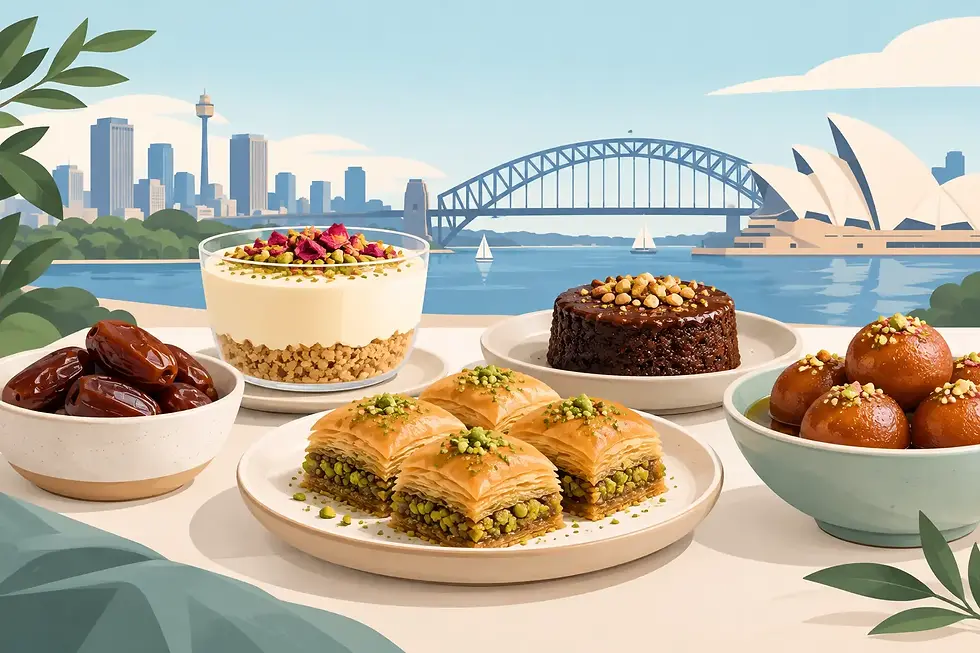
11. Gulab jamun or kheer for a traditional finish
Dessert should close the meal with warmth, not excessive heaviness. Gulab jamun offers soft milk dumplings soaked in fragrant syrup, delivering the celebratory sweetness many guests expect. Kheer, a delicately spiced rice pudding often finished with nuts, is gentler and works well when the main courses have been particularly rich.
For a more expansive dessert table, serve both in smaller portions. This gives guests a choice between syrupy indulgence and a cool, creamy finish.
12. Drinks that refresh rather than distract
A banquet drinks selection can stay simple and still feel generous. Mango lassi offers creamy sweetness, salted lassi provides a savoury counterpoint, and chilled soft drinks suit broad preferences. For a lively non-alcoholic option, consider a sparkling lemon and mint drink or a house-style mocktail.
Think about the weather and venue. A summer waterfront celebration may call for more chilled drinks and lighter food, while a winter evening banquet can comfortably lean into slow-cooked curries, chai and warming desserts.
Build the menu around balance, not excess
The most successful halal banquet does not attempt to serve every classic dish at once. For most events, two starters, two meat curries, one substantial vegetarian dish, biryani or rice, breads, accompaniments and dessert create a complete spread. A larger wedding or gala can add further choices, but every dish should have a reason to be there.
It also helps to avoid repeating the same flavour profile. If a creamy chicken korma is on the table, choose a tomato-based lamb curry or a brighter vegetable jalfrezi rather than another mild, cream-led dish. If biryani is the hero, keep the remaining rice offering simple.
Presentation matters as much as quantity. Copper-toned serving pieces, warm bread brought out in stages and dishes arranged with care can make a shared meal feel ceremonial. The atmosphere should reflect the generosity of the cuisine: abundant, welcoming and considered.
For private functions and catered celebrations, Lal Qila brings together authentic Pakistani, Indian and Mughlai flavours with a 100% halal commitment, helping Sydney hosts create a feast that feels both assured and distinctly royal. Choose dishes that tell a story at the table, leave room for every guest and allow the final sweet course to linger as a gracious last memory.


Comments