
A Mughlai Banquet Menu Made for Celebration
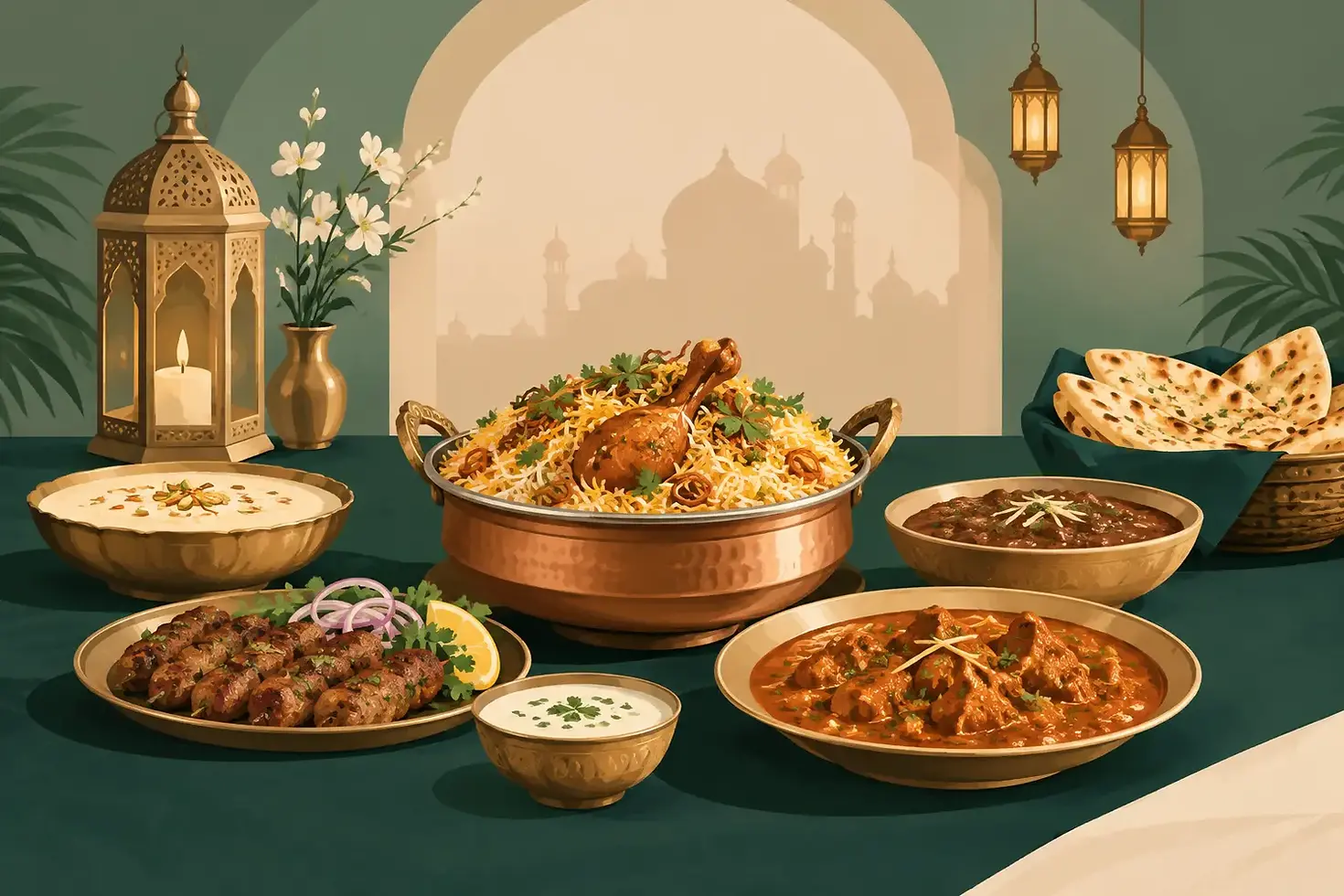
A memorable Mughlai banquet menu does more than fill the table. It sets a royal scene: fragrant rice arriving in generous platters, slow-cooked curries rich with spice and aroma, grilled dishes served hot from the kitchen, and sweet finishing notes shared long after the first course. For a Sydney family celebration, corporate dinner or private gathering, the finest menus bring generosity, balance and genuine hospitality together.
Mughlai cuisine was shaped for grand tables. Its flavours are layered rather than simply hot, drawing on aromatic spices, yoghurt, cream, nuts, saffron and carefully cooked meats. The result should feel celebratory and generous, while still allowing every guest to enjoy the meal from the opening bite to dessert.
What belongs on a Mughlai banquet menu?
A successful banquet is built in courses, not as a long list of unrelated dishes. Each course should have a purpose: starters awaken the palate, curries bring depth, rice and breads give the meal its centre, and dessert creates a gracious close. When these elements are chosen with care, guests can try a broad range of dishes without the table becoming too heavy or repetitive.
Begin with a welcoming selection of starters
The opening course should be easy to share and satisfying enough to welcome late arrivals without spoiling the appetite. Seekh kebabs, chicken tikka, fish preparations and vegetable samosas offer contrasting textures: smoky, crisp, tender and warmly spiced. Chutneys, fresh salad and cooling yoghurt-based accompaniments give guests a bright counterpoint to grilled flavours.
For mixed groups, include both vegetarian and meat options from the start. This is not simply considerate planning. A well-made vegetarian dish, such as paneer tikka or vegetable pakoras, brings colour and variety to the platter and ensures the first course feels abundant for everyone.
Portioning matters at this stage. A banquet starter is an invitation, not a meal on its own. If several substantial curries and biryani are to follow, a modest selection per guest is usually more enjoyable than a crowded table of fried items.
Choose curries with different characters
The heart of a Mughlai banquet is its curry selection. Rather than choosing three dishes with the same tomato-forward base or similar level of heat, pair dishes by contrast. One may be creamy and mild, another deeply spiced and slow-cooked, and a third brightened by ginger, herbs or green chilli.
A regal combination could include butter chicken or chicken korma for a mellow, velvety element; lamb rogan josh or nihari for deeper, richer flavour; and a dish such as karahi chicken for a more lively spice profile. For vegetarian guests, paneer in a fragrant gravy, dal and seasonal vegetable dishes give the banquet substance rather than leaving them with sides alone.
Heat should be discussed before the menu is confirmed. Some guests will want the fire of a traditional chilli-forward dish, while others may prefer a gentle spice balance. It is often wiser to keep most of the banquet at a medium warmth, then offer one bolder dish and fresh accompaniments for those who enjoy extra heat. This gives the table character without excluding less adventurous diners.
Make rice and bread part of the occasion
Biryani earns its place at a banquet because it is more than a side. Long-grain rice, aromatic spices and tender meat or vegetables make it a centrepiece in its own right. A generous biryani platter brings colour, fragrance and ceremony to the table, particularly when served alongside cooling raita and fresh salad.
If biryani is included, choose curries that complement rather than compete with it. A creamy chicken curry, slow-cooked lamb dish and a vegetarian option are usually enough. Adding another heavily spiced rice dish can make the meal feel crowded.
Fresh naan, garlic naan or tandoori roti should be served in regular baskets so guests can enjoy gravies at their best. Bread is also useful for diners who prefer a lighter serving of rice. For a banquet with many courses, variety is welcome, but there is little need for every bread option at once. Two well-chosen styles will usually serve the table beautifully.
Planning a Mughlai banquet menu for your guests
The best menu depends on the occasion, the group size and how guests will dine. A family birthday often calls for familiar favourites and generous shared platters. A corporate function may need clear service timing, milder options and dishes that are easy to enjoy while guests are talking. For a wedding-related event or milestone celebration, the menu can be more elaborate, with kebabs, biryani and a richer dessert service.
Dietary confidence is equally important. A clearly halal banquet allows Muslim guests to dine with ease and gives hosts certainty when planning a mixed group. Lal Qila’s 100% halal commitment means guests can enjoy the royal flavours of Pakistani, Indian and Mughlai cuisine with that reassurance at the centre of the experience.
When confirming the menu, ask about vegetarian requirements, allergies, children at the table and preferred spice levels. Nut-based gravies are traditional in some Mughlai dishes, so allergy information should always be shared early. It is also helpful to consider whether guests will be seated for a formal meal, helping themselves from a buffet, or moving around a private function space. The service style changes how food should be portioned and presented.
For a smaller group, a shared banquet creates warmth and conversation. Place dishes in the centre, replenish breads promptly and allow guests to explore flavours at their own pace. For a larger event, buffet dining can give everyone choice while keeping service relaxed. The trade-off is that a buffet works best with a focused selection of dishes that hold their quality well, rather than too many delicate items competing for attention.
Do not overlook the accompaniments
A royal table is often remembered for the small details. Raita cools the palate between rich spoonfuls of biryani. Mint chutney adds freshness to kebabs. Pickles bring sharpness, while sliced onion, cucumber and lemon lighten the richer dishes. These elements may sit quietly beside the main courses, but they make the full meal feel considered.
Drinks deserve the same thought. Mango lassi offers a creamy, sweet contrast to spice, while salted lassi can be especially refreshing alongside grilled dishes. For a large lunch or dinner, chilled water, soft drinks and non-alcoholic options should be easy for every guest to reach. A banquet should feel generous, not complicated.
Finish with sweetness, not excess
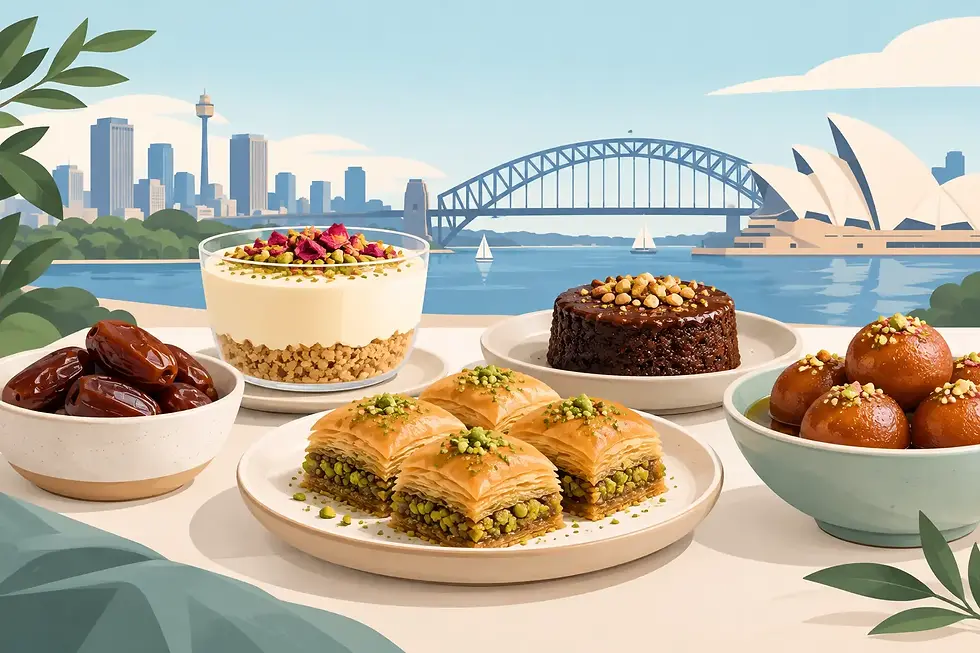
Dessert should close the meal with warmth and a little grandeur. Gulab jamun offers soft, syrupy comfort, while kheer provides a gentler finish through fragrant rice pudding. Kulfi brings a welcome chilled contrast after a rich meal, particularly during a busy Sydney summer evening.
One or two dessert choices are generally enough. After kebabs, curries, breads and biryani, guests usually appreciate a refined final course rather than another large serving. Tea or coffee can extend the occasion and give conversation room to continue.
A banquet is hospitality made visible
Mughlai dining is at its finest when the menu feels generous without becoming excessive, traditional without feeling distant, and refined without losing its warmth. The splendour is found in the details: the fragrance released from a biryani platter, the tenderness of slow-cooked meat, the freshness of mint beside a kebab, and the care taken to ensure every guest has something they can enjoy.
Whether the gathering is a relaxed family dinner, a waterside celebration near Darling Harbour or a private function in Sydney’s north-west, choose dishes that invite people to share, linger and celebrate. A thoughtfully planned Mughlai banquet gives every guest a place at a truly kingly table.


Comments